
Why Is The White House Bringing Crypto Executives Together?
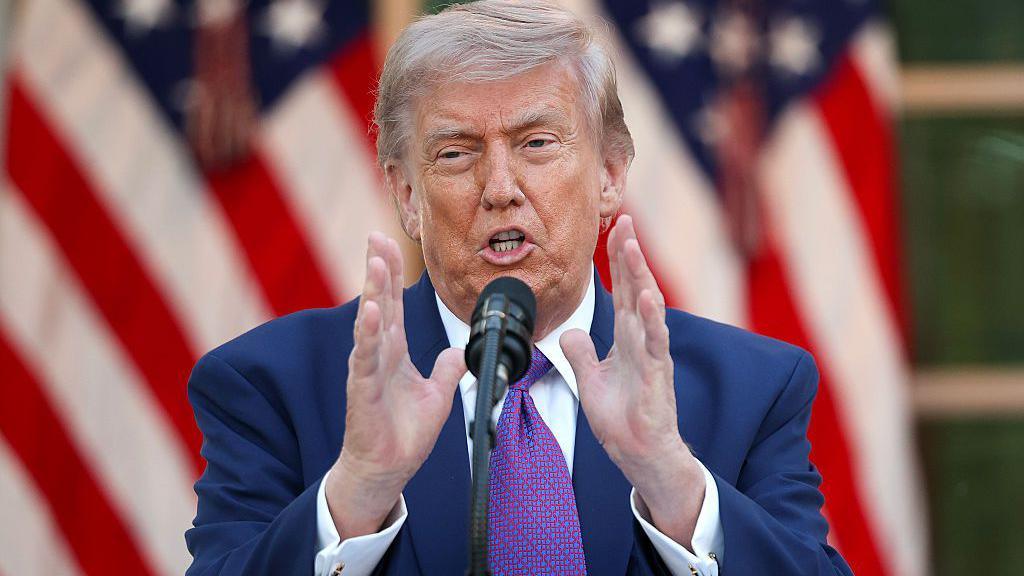
President Donald Trump is expected to attend a White House meeting on Wednesday with executives from the cryptocurrency, prediction market and financial sectors as his administration increases its focus on digital asset regulation and event-contract oversight.
The meeting is scheduled for 2:30 p.m. ET at the Eisenhower Executive Office Building beside the White House. Commodity Futures Trading Commission Chair Michael Selig is also expected to attend, while SEC Chair Paul Atkins has been identified among the officials expected in Washington for the discussions.
Industry participants are expected to include executives connected to Coinbase, Ripple, Gemini, Robinhood, Chainlink, Polymarket, Kalshi, Paradigm and a16z. Leaders from traditional financial market companies including CME Group, Nasdaq, Intercontinental Exchange and the Depository Trust & Clearing Corporation are also members of the CFTC group involved in the discussions.
The Wednesday session is intended to begin a policy dialogue before the inaugural meeting of the CFTC’s Innovation Advisory Committee on Thursday. That committee brings together executives from crypto, prediction markets, artificial intelligence and traditional financial infrastructure.
The concentration of senior officials and industry executives gives the meetings added importance as Washington works through unresolved questions involving crypto market structure and the division of authority over prediction markets.
What Will The CFTC Innovation Committee Discuss?
The Innovation Advisory Committee will meet Thursday from 1 p.m. to 4 p.m. ET in Washington, with the session available for the public to watch online. Its agenda is divided into discussions covering crypto asset regulation, artificial intelligence and prediction markets.
The crypto session will examine remaining obstacles to establishing a durable federal framework for digital asset markets. That discussion comes while the Digital Asset Market Clarity Act remains unfinished in Congress despite months of negotiations over how federal agencies should divide responsibility for crypto trading and intermediaries.
Senate Majority Leader John Thune has filed cloture on a motion to proceed with the Clarity Act, setting up a vote for Sept. 15, the day after senators return from recess. The cloture motion requires 60 votes and would only advance consideration of the legislation rather than approve the bill itself.
The White House has therefore brought industry executives into the discussion at a point when the legislative process remains open and negotiations could still affect the regulatory responsibilities of the SEC and CFTC.
Investor Takeaway
The two-day Washington meetings give crypto and prediction market companies direct access to policymakers while major regulatory questions remain unresolved. Investors should watch whether the discussions produce movement on the Clarity Act or a firmer federal approach to prediction markets.
Why Are Prediction Markets A Major Part Of The Agenda?
Prediction markets are expected to receive particular attention because federal and state authorities remain divided over who has the power to regulate event contracts, especially products tied to sports.
The committee agenda specifically includes the respective roles of federal and state authorities, along with recent state litigation and enforcement actions. Selig has argued that the CFTC holds exclusive jurisdiction over federally regulated event contracts and has challenged state efforts to restrict prediction market platforms.
That dispute intensified again this week. Baltimore sued Kalshi and Polymarket over sports-related contracts, while a Washington state court ordered Kalshi to halt most of its offerings in the state.
Trump has publicly supported the CFTC’s position. In May, he described exclusive CFTC jurisdiction over prediction markets as “critically important.” His expected participation on Wednesday could therefore reinforce the administration’s preference for federal oversight rather than a state-by-state regulatory model.
The issue also carries political sensitivity because Donald Trump Jr. serves as a strategic adviser to both Kalshi and Polymarket and has invested in Polymarket through venture capital firm 1789 Capital.
Can The Meetings Break Washington’s Crypto Policy Deadlock?
The White House session brings many of the companies most affected by federal crypto policy into the same room as senior regulators, but the largest legislative questions still require congressional action.
The Clarity Act has faced delays as lawmakers debate consumer protections, agency jurisdiction and ethics restrictions connected to political officials with financial interests in digital assets. Those negotiations could determine whether the Senate can assemble the 60 votes needed to advance the bill in September.
For crypto companies, the immediate value of the meetings may be the opportunity to influence how regulators approach implementation even before Congress finishes the market structure bill. For prediction market operators, the stakes are more immediate because state lawsuits are already affecting where and how their products can be offered.
Wednesday’s White House gathering and Thursday’s CFTC committee meeting therefore arrive at a point when both industries are seeking clearer federal rules. The main test will be whether the administration can turn industry dialogue into regulatory decisions or legislative progress rather than another round of policy discussions.